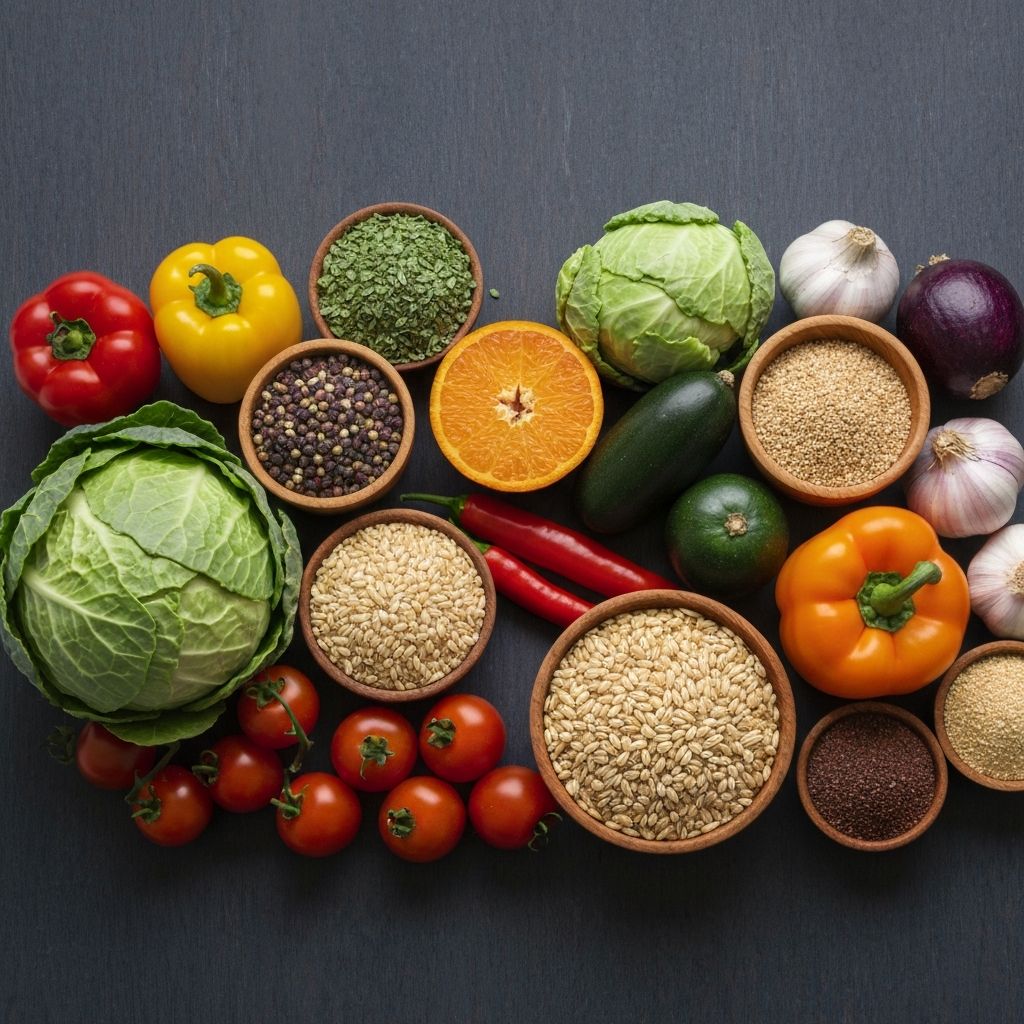
Educational insights into food choices and meal patterns
Published February 2026
Nutrition awareness involves understanding the components of food, their roles in bodily functions, and how dietary patterns relate to overall wellness. This educational exploration examines key concepts without prescribing specific dietary approaches.
Foods contain macronutrients including carbohydrates, proteins, and fats, as well as micronutrients such as vitamins and minerals. Water and fibre also play important roles in nutrition. Different foods provide different combinations and amounts of these components.
Carbohydrates: These compounds serve as primary energy sources in many dietary patterns. They exist in various forms, from simple sugars to complex starches and fibres. Sources include grains, vegetables, fruits, and legumes.
Proteins: Composed of amino acids, proteins contribute to numerous bodily structures and functions. Dietary protein comes from both animal sources like meat, fish, eggs, and dairy, and plant sources including legumes, nuts, seeds, and certain grains.
Fats: Dietary fats include saturated, unsaturated, and trans fats, each with different chemical structures. Sources include oils, butter, nuts, seeds, avocados, fatty fish, and various animal products.
Vitamins and minerals, though needed in smaller quantities than macronutrients, serve essential functions. Different foods provide different micronutrients, which explains the emphasis on dietary variety in nutritional discussions.
Fruits and vegetables contribute various vitamins and minerals. Whole grains provide B vitamins and minerals. Animal products supply certain vitamins not found in plant foods. The diversity of micronutrient sources means different dietary patterns can meet nutritional needs through different food combinations.
Numerous dietary patterns exist globally, reflecting cultural traditions, geographical factors, and available resources. The Mediterranean approach emphasises olive oil, fish, vegetables, and whole grains. Asian dietary patterns vary widely but often feature rice, vegetables, and moderate portions.
Plant-based eating patterns focus primarily or exclusively on foods from plant sources. Some include eggs and dairy while others exclude all animal products. Traditional dietary patterns from various regions demonstrate that multiple approaches can support human nutrition.
People structure their eating differently regarding number of meals, portion sizes, and timing throughout the day. Some eat three main meals, others prefer smaller frequent meals, and some follow time-restricted eating windows.
Cultural factors influence meal patterns significantly. Breakfast traditions vary from substantial morning meals to light or skipped morning eating. Some cultures emphasise the midday meal while others focus on evening dining. These variations demonstrate the flexibility in meal structuring.
Discussions of food quality typically address processing levels, ingredient composition, and nutrient density. Whole foods refer to items close to their natural state with minimal processing. Processed foods undergo various modifications that alter their nutrient profiles and characteristics.
Fresh produce, whole grains, unprocessed meats, and similar items generally retain their natural nutrient compositions. Highly processed items often contain added sugars, sodium, and modified fats while having reduced fibre and micronutrients compared to their whole food counterparts.
Portion sizes influence total nutrient and energy intake. Cultural norms and individual circumstances affect typical portion sizes. Understanding portion concepts involves awareness of serving sizes and how they relate to overall dietary patterns.
Visual cues, measuring tools, and awareness of hunger and fullness signals all contribute to portion consciousness. Different people use different methods to maintain awareness of food quantities they consume.
Water consumption patterns vary among individuals. Fluid needs depend on factors including body size, activity level, climate, and overall health status. Sources of hydration include plain water, beverages, and water content in foods.
Different people maintain hydration awareness through various approaches, from scheduled drinking to responding to thirst signals. Cultural beverage traditions also influence fluid intake patterns.
Food labels provide standardised information about nutrient content. Understanding these labels involves knowing what different values represent and how they relate to overall dietary intake.
Ingredient lists show components in descending order by weight. Nutrition facts panels display amounts of calories, macronutrients, and certain micronutrients. This information allows comparison between products and awareness of food composition.
Nutritional needs and optimal dietary patterns vary considerably among individuals. Age, sex, activity level, health status, and genetic factors all influence how bodies process and utilise nutrients.
What constitutes an appropriate dietary pattern for one person may differ substantially from what works for another. This variation explains why educational nutrition information describes concepts and patterns rather than prescribing universal approaches.
This article provides educational information about nutrition concepts and dietary patterns. It describes various approaches and principles without recommending specific diets or food choices.
Individual nutritional needs vary significantly based on health status, circumstances, and other factors. People with specific health conditions or dietary requirements should consult qualified nutrition professionals.
No outcomes or results are promised or implied by the information presented here.