Educational insights into daily habits, nutrition awareness, and activity patterns
Learn moreUnderstanding the role of daily habits in overall wellness involves exploring how routine choices influence nutrition, physical activity, and personal awareness. This educational resource examines various approaches to maintaining balance in everyday life.
Lifestyle strategies encompass a wide range of practices, from meal planning and movement patterns to sleep routines and stress management. Different individuals adopt different approaches based on personal circumstances, preferences, and life situations.
The information presented here serves purely educational purposes, explaining concepts and describing patterns observed in lifestyle research and everyday experiences.
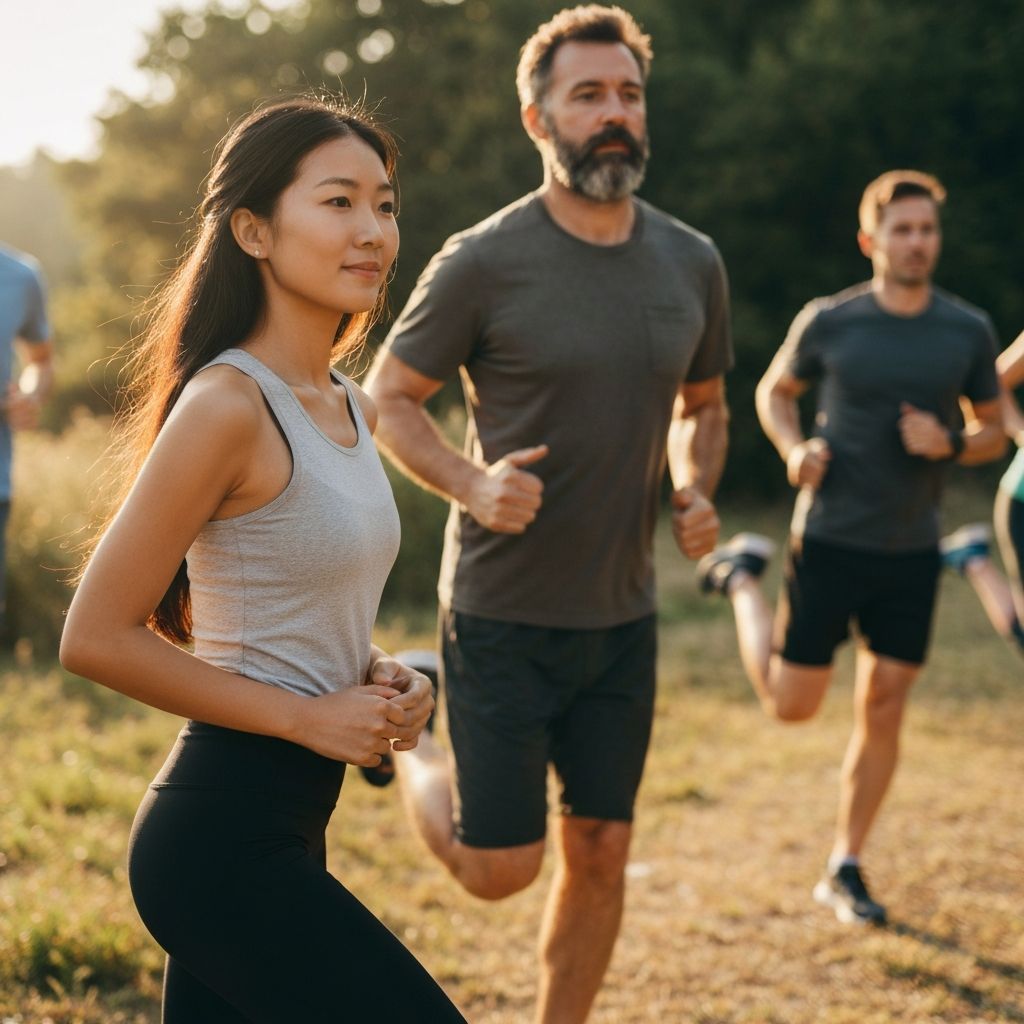
Physical activity patterns vary significantly among individuals and communities. Some people incorporate structured exercise into their schedules, while others maintain activity through daily tasks, walking, or recreational pursuits.
Research in lifestyle studies has identified numerous activity approaches, ranging from high-intensity workouts to gentle movement practices like stretching, walking, or gardening. The diversity of activity types reflects the variety of human preferences and capabilities.
Understanding different activity patterns helps contextualize the broader conversation about lifestyle choices without prescribing specific actions.
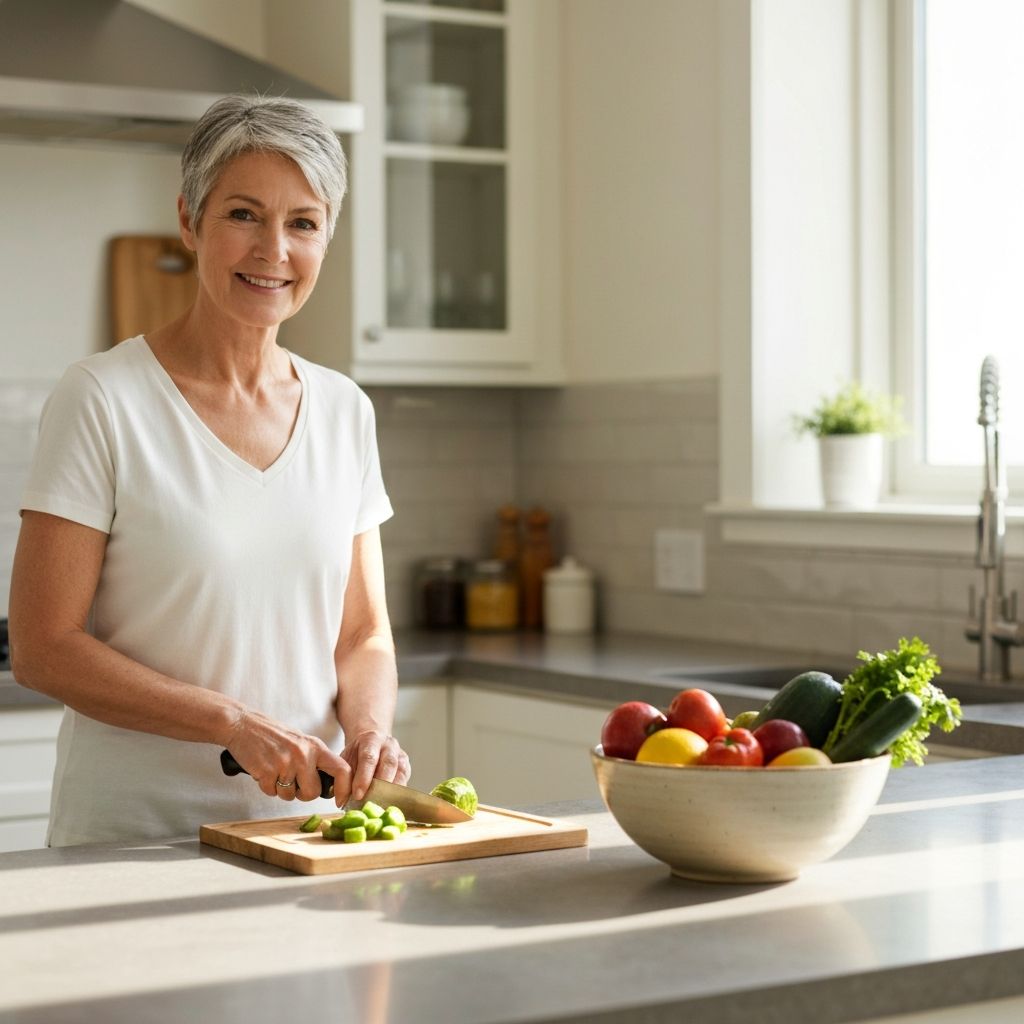
Nutrition awareness refers to understanding the composition and effects of the foods people consume. This involves knowledge about macronutrients, micronutrients, portion sizes, and meal timing.
Different dietary approaches exist across cultures and communities, including plant-based eating, Mediterranean-style diets, balanced macronutrient distributions, and various cultural food traditions. Each approach reflects unique values, resources, and circumstances.
Educational discussions about nutrition focus on explaining food components, their roles in the body, and how different eating patterns relate to overall lifestyle. This information helps individuals make informed decisions aligned with their personal situations.
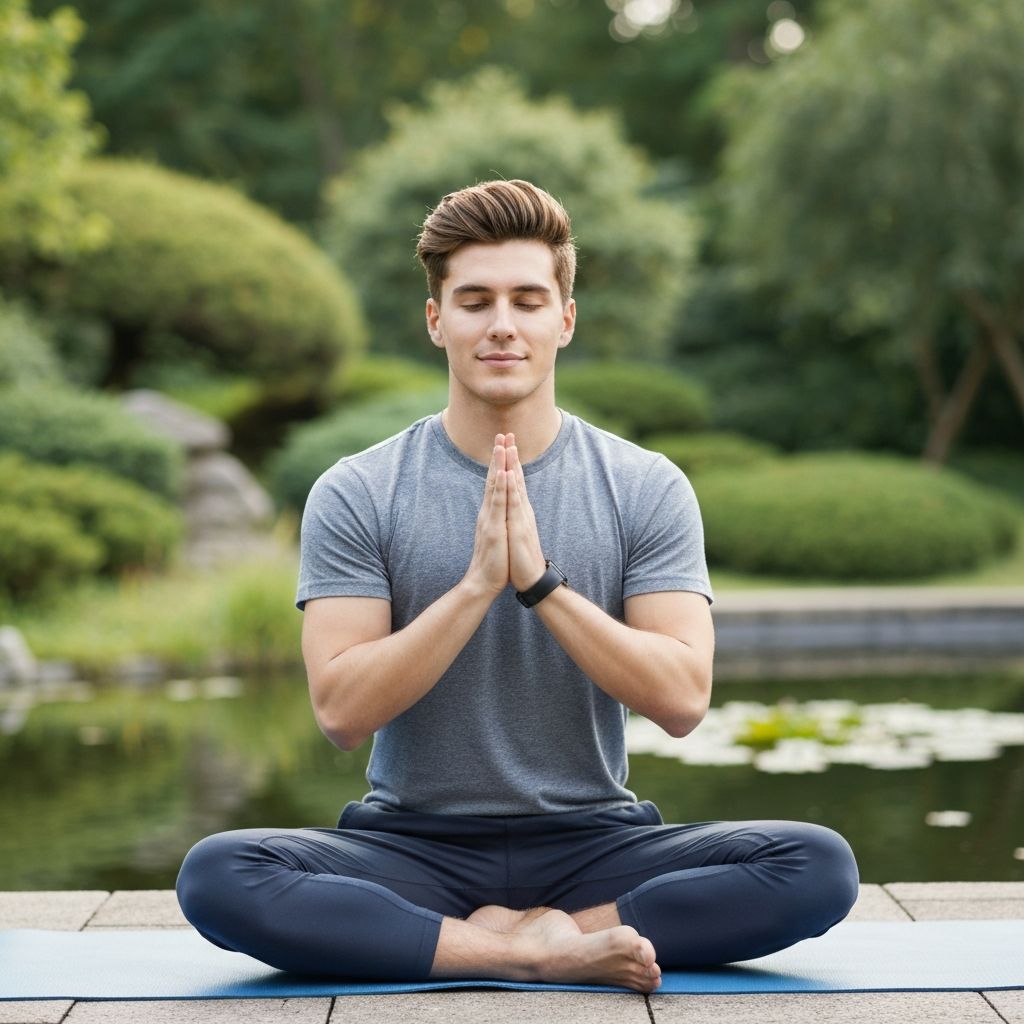
Mindfulness in lifestyle contexts refers to conscious awareness of daily choices and their patterns. This includes paying attention to eating behaviors, movement opportunities, rest needs, and stress responses.
Practices associated with mindful living include keeping food journals, setting activity reminders, planning meals in advance, establishing regular sleep schedules, and creating environments that support desired habits.
The integration of such practices varies widely based on individual circumstances, available resources, and personal priorities. Educational resources describe these practices without recommending specific implementations.
This website provides educational information about lifestyle strategies, daily habits, and balanced living. It explains concepts and describes various approaches without offering personal recommendations or services.
No. All content is purely informational and educational. We do not provide individual consultations, personalised plans, or specific recommendations tailored to personal circumstances.
This is an educational resource that describes general lifestyle concepts. It is not medical content and does not replace professional healthcare guidance. For health concerns, consult qualified healthcare providers.
Anyone interested in learning about lifestyle habits, nutrition awareness, and activity patterns may find this educational content useful. The information is presented in a general, descriptive manner suitable for broad audiences.
The information on this website is provided for educational purposes only. It describes general concepts about lifestyle habits, nutrition awareness, and activity patterns without offering personalised recommendations.
Different individuals require different approaches based on their unique circumstances, health status, and personal situations. The content here does not account for individual variations and should not substitute professional guidance.
No outcomes, results, or specific changes are promised or implied. The information describes various approaches and concepts without endorsing specific methods or guaranteeing particular effects.
Educational content only. No medical services. No promises of outcomes.
Read in detail